
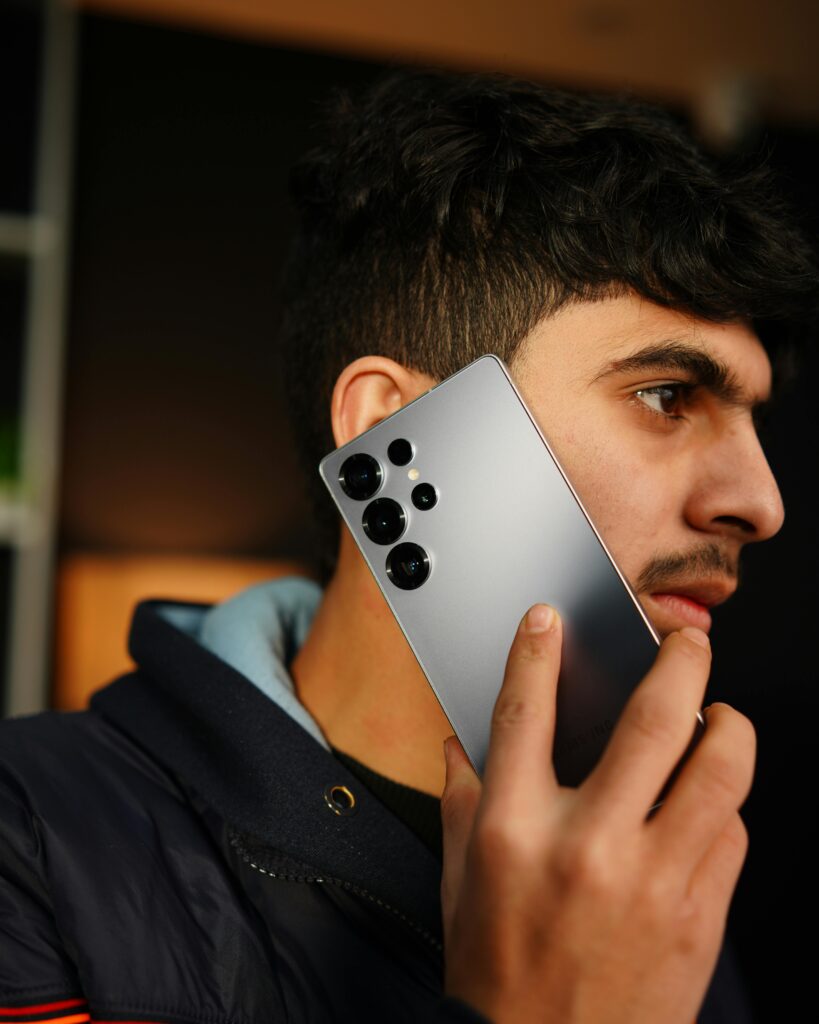
In today’s digital world, the smartphone has become one of the most essential tools in everyday life. From communication to business, education to entertainment, smartphones have transformed how we live and interact. But what exactly is a smartphone, where did it come from, and what impact does it have on our lives?
What Is a Smartphone?
smartphone is a mobile device that combines the functionality of a traditional cell phone with advanced computing capabilities. Unlike basic phones, smartphones allow users to browse the internet, install applications, send emails, take high-quality photos, and access social media platforms. Popular operating systems such as Android and iOS power most smartphones today, offering millions of apps through their app stores.
The Origin of Smartphones
The first true smartphone was created by IBM in 1992 and was called the IBM Simon. It was officially released in 1994 and featured a touchscreen, email capability, calendar, and even apps—features that were revolutionary at the time.Later, companies like Nokia and BlackBerry improved smartphone technology by focusing on messaging and business tools. However, the modern smartphone era truly began in 2007 when Steve Jobs introduced the iPhone, revolutionizing the industry with a sleek design and user-friendly interface.
Why Were Smartphones Invented?
Smartphones were developed to solve several limitations of traditional mobile phones. People needed a single device that could handle communication, productivity, and entertainment. Instead of carrying multiple devices like cameras, MP3 players, and computers, smartphones combined everything into one compact tool.
The main reasons for creating smartphones include:
- To improve communication (calls, messaging, video chats)
- To provide internet access anywhere
- To increase productivity with mobile apps
- To simplify daily tasks like navigation, banking, and shopping
Benefits of Smartphones
Smartphones offer countless advantages that make life easier and more efficient:
1. Easy Communication
With apps like WhatsApp and Telegram, people can communicate instantly across the world.
2. Access to Information
Smartphones allow users to access unlimited knowledge through the internet, making learning easier than ever.
3. Business and Income Opportunities
Many people earn money using smartphones through freelancing, blogging, social media, and online marketplaces.
4. Entertainment
Streaming platforms, games, and social media apps provide endless entertainment options.
5. Navigation and Travel
Apps like Google Maps help users find directions, discover places, and avoid traffic.
Risks and Disadvantages
Despite their benefits, smartphones also come with several drawbacks:
1. Addiction
Excessive use of smartphones can lead to addiction, affecting mental health and productivity.
2. Privacy Concerns
Personal data can be exposed if users are not careful with security settings.
3. Health Issues
Long screen time can cause eye strain, poor sleep, and reduced physical activity
4. Distraction
Smartphones can distract users from important tasks like studying or working
How Smartphones Can Change Your Life
If used wisely, a smartphone with internet access can completely transform your life. You can:
- Learn new skills online (coding, design, marketing)
- Work remotely and earn money
- Build a personal brand on social media
- Access global opportunities without leaving your home
- Start a blog or YouTube channel
For someone with ambition, a smartphone is not just a device—it is a powerful tool for success.
Is There an Alternative to Smartphones?
While smartphones dominate today’s technology landscape, alternatives do exist. Devices like laptops and tablets can perform similar tasks but lack portability. Basic phones still exist for simple communication but cannot replace the full functionality of smartphones.
Emerging technologies such as wearable devices (smartwatches) and augmented reality glasses are being developed, but they are not yet capable of fully replacing smartphones. In the future, innovations in artificial intelligence and virtual reality may create new devices that could eventually replace smartphones.
Conclusion
Smartphones have revolutionized the way we live, work, and communicate. From their invention by IBM in the early 1990s to the modern devices we use today, smartphones continue to evolve rapidly. While they offer incredible benefits, they also come with risks that require responsible usage.
Ultimately, the impact of a smartphone depends on how it is used. It can either be a source of distraction or a powerful tool for growth and success. The choice is yours.
haboon https://haboondigital.com
Yash http://Yaasirguide